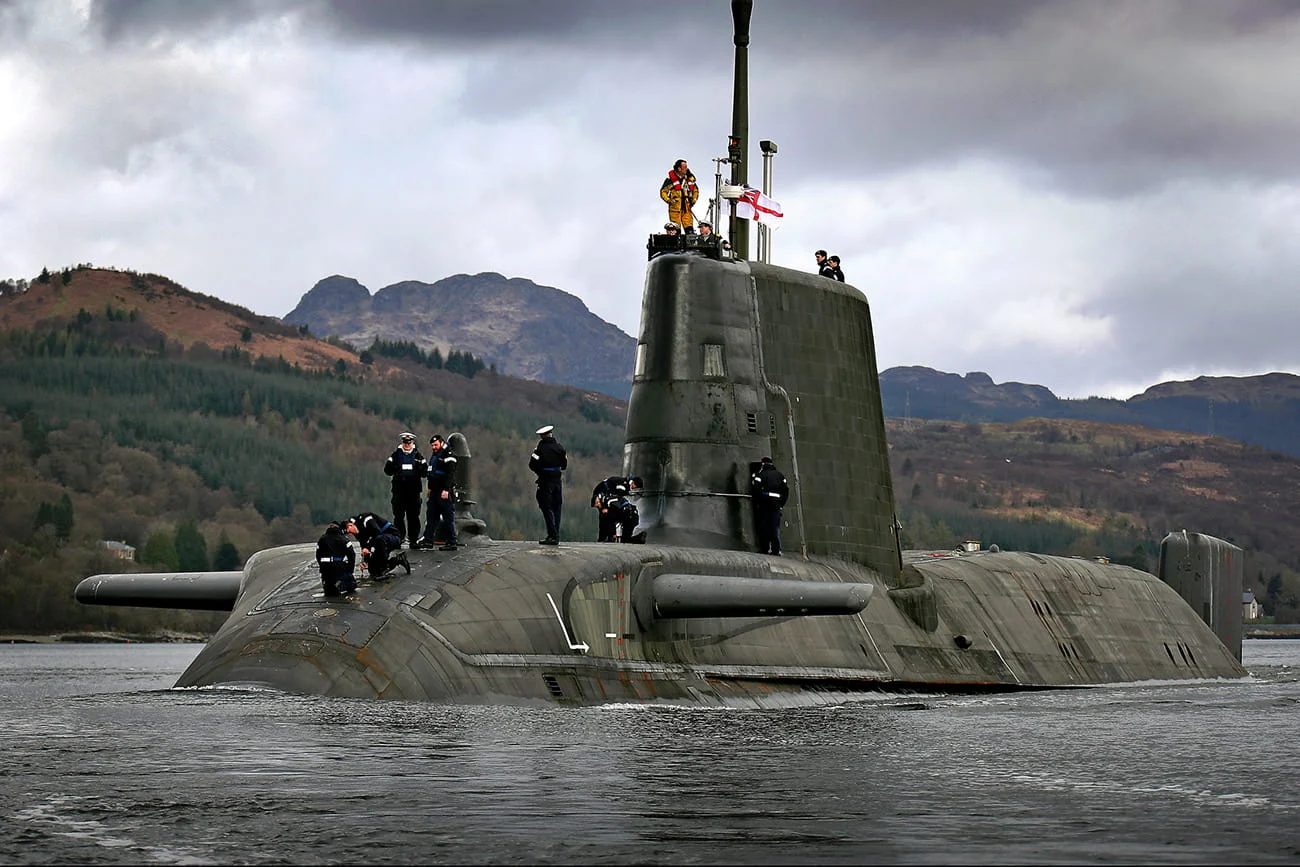
The U.S. Navy fired more than 220 missiles during hundreds of engagements in the Red Sea in the last 18 months, including the first combat use of the Standard Missile 3 (SM-3). Replenishing those and meeting an already increased demand from the U.S. and its allies means extraordinary challenges for suppliers and the extended supply chain.
Breaking Defense discussed that challenge with Barbara Borgonovi, president of Naval Power at Raytheon, and how the organization is building its infrastructure and capabilities to deliver critical systems like rocket motors and radars to fulfill Navy requirements.
Breaking Defense: What are the key challenges facing the Navy in the Red Sea, the Indo-Pacific, and elsewhere?
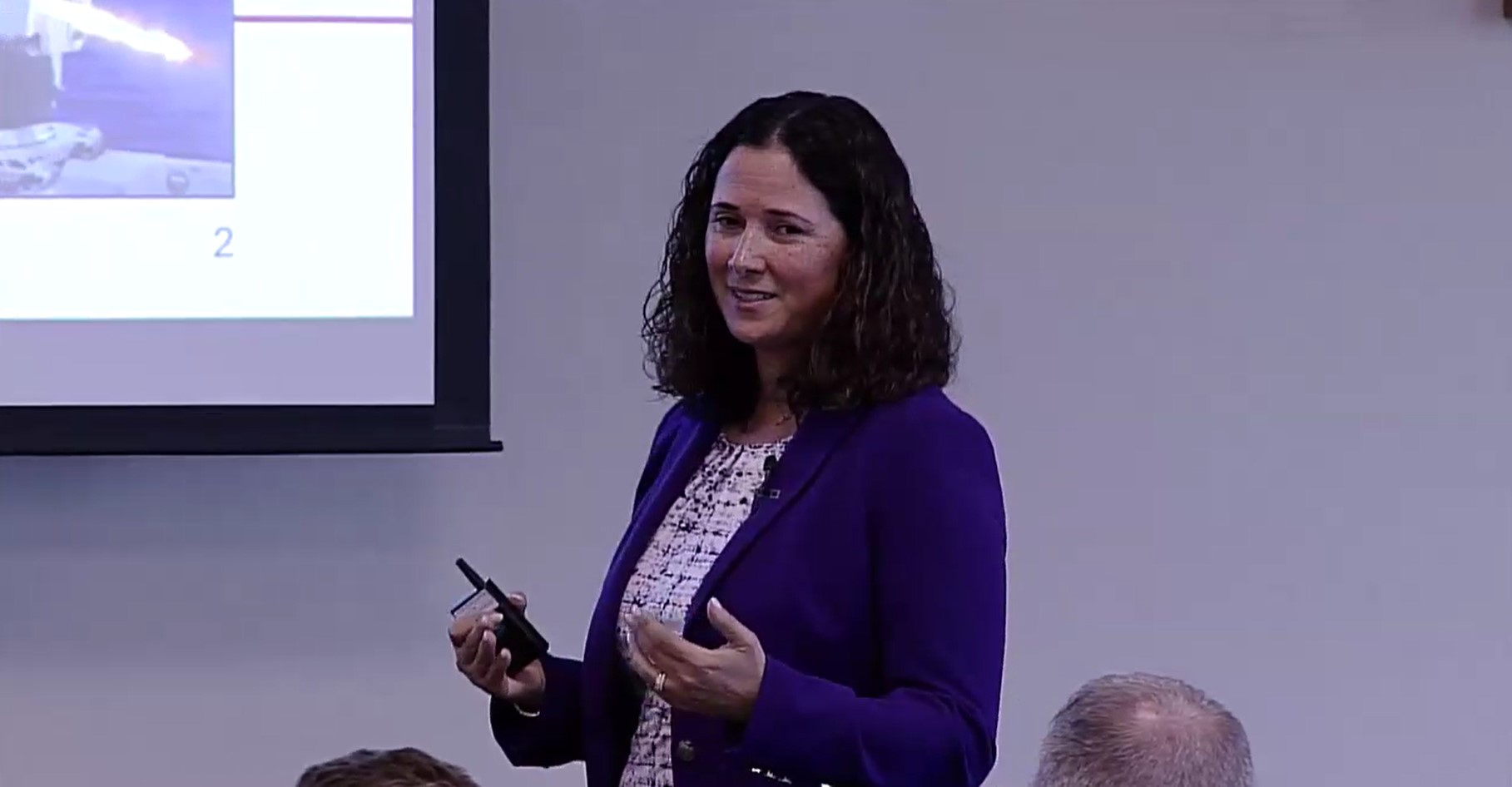
Barbara Borgonovi is president of Naval Power at Raytheon, an RTX company.
Barbara Borgonovi: Today is an unprecedented time for the Navy having fired more missiles in the last 18 months than in the past 30 years total. In parallel the Navy is increasing its attention on the Indo-Pacific in preparation for future competition with China.
For Raytheon, we’re fortunate to have strong relationships with our customers where we receive direct feedback on the usage of our products in theater. Just like the Navy, we’re learning.
The number one thing is that we’ve got to get capability to the Navy. Our role at Raytheon is not just to develop that discriminating capability, but to be able to produce it and provide it to our U.S. naval forces and our allies when it’s required.
It comes down to understanding our customer’s mission, as well as intimacy with them so that we know what our North Stars are, what we are being relied on to produce, and then ensuring that we can do that through our own delivery, our own factories and our suppliers.
You led corporate strategy prior to this position. What are the elements of your strategy for product delivery that aligns with the Navy’s requirements?
Inside Raytheon, we are taking the big-picture strategy of ensuring that we have larger-volume output of our products for our customers and building that into detailed plans within our factories.
We are working internally in several areas. At RTX we have deployed an operating system called CORE – Customer Oriented Results and Excellence – that is designed to drive continuous improvement and efficiency. CORE enables our teams to work together using common methodology and language. To track progress, there are digital CORE control rooms where our team members can get real-time access to program data to improve execution and communication across the teams. We also bring in suppliers as part of this process.
We also are investing in our factories for capacity expansion. This expansion aligns with our customers’ priorities of how much they need us to build and is exceptionally important to us. In response, we invested $115 million in our Redstone Raytheon Missile Integration Facility in Huntsville, AL, to increase production capacity for our Standard Missile-3 and Standard Missile-6 and will also accommodate additional defense programs. In addition, we invested about $50 million into automation for our Standard Missile test capabilities.
We’ve also invested over $450 million into our McKinney facility in Texas where we do advanced electronics that go into naval systems and other Raytheon products.
These are significant investments into production scaling of our factories and how we manufacture our products across the Naval Power business that ensure we can increase output.
One of our biggest challenges is that we don’t build it all; we have a strong reliance on our supply base. To that end, we are investing to ensure that our suppliers can support increased production with the demand signals that we’re getting for key franchise programs.
Post pandemic, we realized some risk in our supply chain in a number of ways: access to raw materials, labor shortages, changes in the labor profile, and inflationary costs. When you look broadly, we have seen areas of stabilization. Microelectronics is an example where we’ve seen improvement, but we have had to make tremendous investments in advance to help with that.
As Raytheon, we are looking at those risks, especially in our supply base, whether they’re raw materials or built-up components that we use in our products and assessing those risks and investing in the material our customers need to mitigate the availability and sourcing challenges that we’re facing.
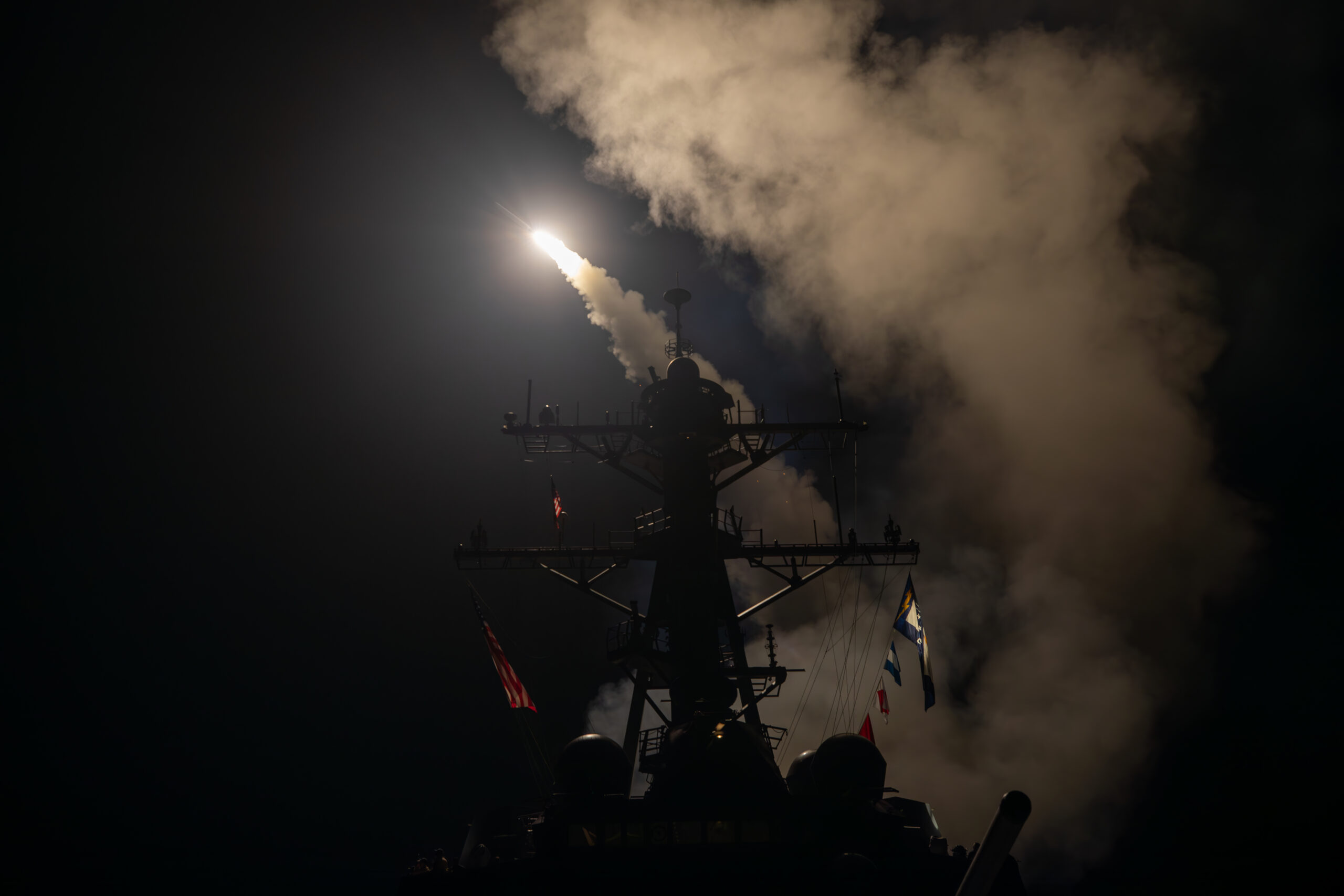
The guided-missile destroyer USS Gravely (DDG 107) launches Tomahawk Land Attack Missiles in response to increased Iranian-backed Houthi malign behavior in the Red Sea Jan. 12, 2024. As a part of the USS Dwight D. Eisenhower Carrier Strike Group, Gravely is deployed to the U.S. 5th Fleet area of operations to support maritime security and stability in the Middle East. (U.S. Navy photo by Mass Communication Specialist 1st Class Jonathan Word)
The demand for rocket motors, in particular, is acute. How is that being addressed?
Rocket motor production has been challenged across the industry.
The supplier for our Standard Missile family is Aerojet. We are working hand-in-hand with Aerojet to ensure that they can increase capacity and output in the near term for their rocket motors that are needed to support the Standard Missile family. We are encouraged by the improvement in production output by Aerojet and we are continuing to drive improvements together.
When we’re making decisions about what we need to do, we always are thinking about our end customer – whether that’s how we accelerate production, how we drive changes into the process to accelerate, and getting the delivery into their hands.
Back to your earlier question about strategy, we have been funding and supporting the development of additional sources to address the increased demand.
We’ve done that with Nammo and Avio, both of which are developing U.S. manufacturing sites to support the production of rocket motors.
What are the latest developments on a couple of key U.S. Navy programs such as the SPY-6 radar that is now undergoing sea trials and the first combat firing of both SM-3 and SM-6 missiles in 2024?
We saw two ships commissioned with SPY-6 radars in the last year: USS Jack H. Lucas, the first Arleigh Burke-class Flight III destroyer, and USS Richard M. McCool Jr., an amphibious landing ship where we introduced the (V)2 variant of SPY-6.
In 2025, there are three more ships planned for delivery with SPY-6 radars onboard.
You mentioned the use of the Standard Missile in combat, and you can see almost first-hand how well those missiles are performing just by turning on the television. It’s tremendous to see the performance of the Standard Missile’s range of capabilities to intercept ballistic missiles and what’s going on in the Red Sea. We’re excited about continuing to support the Navy’s needs in that area.
Beyond your business unit, what do you need to see from Congress and the Pentagon to ensure success in meeting production targets and deliveries? How do you define “success?”
I’ve talked a lot about the investments we’re making across Raytheon because we know the Pentagon ultimately needs more – more missiles, more radars, more of everything. But it’s become increasingly important to understand specific demand signals and how the Pentagon plans to procure systems over time so we know where to direct our investments most strategically.
What does success look like? Success for me is ensuring our forces make it home to their families. My customers have the world’s hardest, most dangerous jobs, and it’s our duty to give them the tools they need to fight, win and defend themselves in an increasingly dangerous world. That’s how I define success.